Why Are My Dry Eyes Worse in the Morning or at Night?
By Dr. Daniel O'Dowd • February 11, 2026

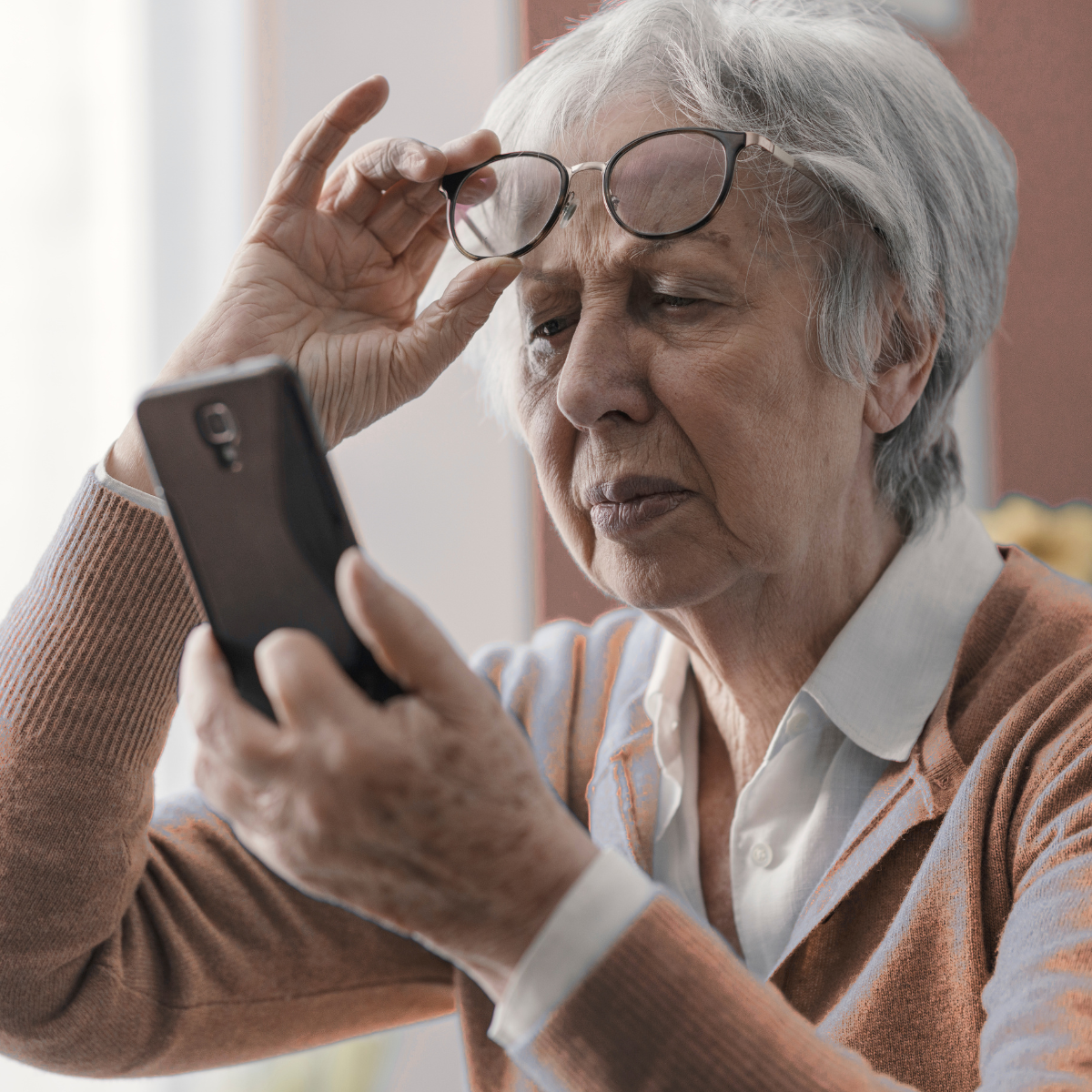
If you wake up with dry eyes or notice your symptoms intensify as the day ends, you're not imagining it. Many people experience dry eye symptoms that follow a predictable pattern, worsening at specific times rather than remaining constant throughout the day. Understanding why this happens can help you find the right solutions and know when it's time to seek professional treatment.
Why Your Eyes Feel Worse at Certain Times
Your eyes don't function the same way around the clock. During sleep, your tear production naturally decreases as your body enters a rest state and conserves energy. At the same time, you stop blinking entirely for hours, which means your tear film isn't being refreshed and redistributed across your eye surface. As the American Academy of Ophthalmology explains, blinking spreads tears evenly across the cornea, but without this regular movement overnight, the protective moisture layer becomes uneven or evaporates completely.
This combination of reduced tear production and zero blinking explains why so many people experience their worst dry eye symptoms first thing in the morning. Your eyes essentially spend 6-8 hours without the lubrication and protection they need.
As evening approaches, a different set of factors comes into play. If you spend your day staring at screens, your blink rate drops significantly during focused visual tasks. By nighttime, your eyes have been working hard all day with reduced moisture replenishment, and fatigue compounds the problem. Environmental factors in your bedroom can then make matters worse once you're ready for sleep.
Common Causes of Morning Dry Eyes
Several specific factors can intensify dry eye symptoms in the morning. Understanding which ones affect you can help determine the most effective approach to relief.
Incomplete Eyelid Closure
Some people don't fully close their eyelids during sleep, a condition called nocturnal lagophthalmos. Even a small gap allows air to flow across the eye surface throughout the night, accelerating tear evaporation and leaving the cornea exposed. You might not realize this is happening since you're unconscious, but if someone has mentioned you sleep with your eyes slightly open, this could be the primary cause of waking up with dry eyes.
Meibomian Gland Dysfunction
Your eyelids contain meibomian glands that produce the oily layer of your tear film, which prevents the watery layer from evaporating too quickly. When these glands become blocked or don't function properly, your tears evaporate rapidly, especially during the extended period of sleep when tear production is already reduced. This is one of the most common causes of chronic dry eye and often requires [professional evaluation and treatment](link to dry eye center page).
Medication Side Effects
Many common medications reduce tear production as a side effect, including antihistamines, decongestants, certain antidepressants, blood pressure medications, and hormonal treatments. These medications work continuously, but you notice the effects most dramatically when you wake up after hours without any compensatory blinking or environmental moisture.
Low Bedroom Humidity
Central heating in winter and air conditioning in summer both strip moisture from the air in your bedroom. When indoor humidity drops below 30-40%, the dry air pulls moisture from your eyes overnight, accelerating tear evaporation even in people with normal tear production.
What Makes Dry Eyes Worse at Night
While morning dryness often results from overnight tear reduction, nighttime symptoms typically stem from cumulative stress on your eyes throughout the day.
Extended Screen Time
If your eyes feel progressively worse as the day goes on, consider how much time you've spent looking at screens. Research shows that blink rates drop dramatically during screen use—from a normal rate of 15-20 times per minute to as few as 3-7 times per minute. By evening, your eyes have been deprived of adequate moisture distribution for hours, leading to that gritty, burning sensation many people experience at night.
Contact Lens Wear
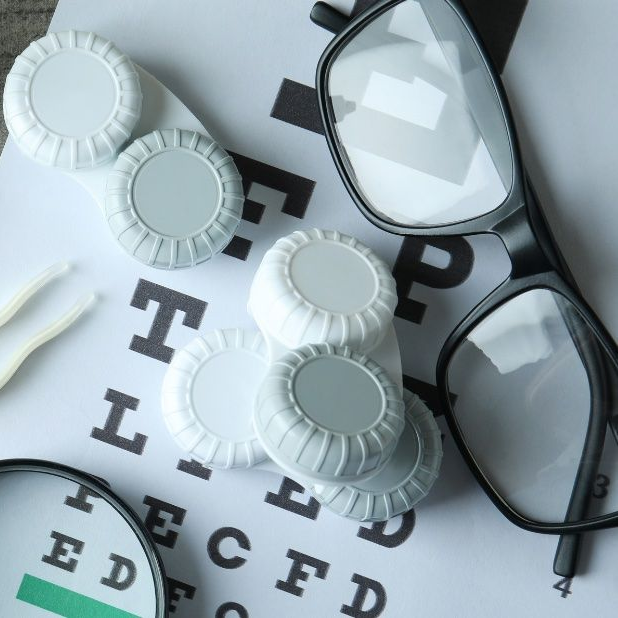
Wearing contact lenses throughout the day reduces oxygen flow to your cornea and can trap debris against the eye surface. By nighttime, your eyes may feel extremely dry and irritated from the cumulative effects of lens wear. Never sleep in contact lenses unless specifically prescribed extended-wear lenses, as this dramatically increases infection risk along with dryness.
Evening Allergens
Dust, pet dander, and other allergens accumulate in bedding and bedroom air throughout the day. As you prepare for sleep and spend time in your bedroom, exposure to these irritants can trigger inflammatory responses that worsen dry eye symptoms at night.
Aging and Hormonal Changes
Tear production naturally declines with age, and the effects often become most noticeable during periods of reduced tear output like nighttime. Women frequently experience worsening symptoms during menopause due to hormonal shifts that affect tear gland function.
How to Fix Dry Eyes in the Morning
Start with these strategies to address morning dryness:
Use a bedroom humidifier. Maintain indoor humidity between 40-50% to prevent excessive tear evaporation overnight. Place the humidifier on your nightstand for maximum benefit.
Try the morning massage technique. If your eyelids stick when you wake up, keep your eyes closed and gently massage your lids with the heels of your hands for 30-60 seconds. This breaks adhesions and stimulates tear production before you open your eyes, preventing painful tearing of the eye surface.
Apply nighttime ointment. Over-the-counter eye ointments are thicker than drops and provide longer-lasting lubrication throughout the night. Apply a small amount just before bed. These products create a protective barrier that reduces overnight evaporation.
Check your sleeping position. If you sleep directly under a ceiling fan or air vent, reposition your bed or adjust airflow direction away from your face.
Review your medications. If you suspect your prescriptions are contributing to morning dryness, discuss alternatives with your doctor. Never stop medications without medical guidance.
How to Prevent Dry Eyes While Sleeping
For nighttime and evening symptom relief, here are a few tips.
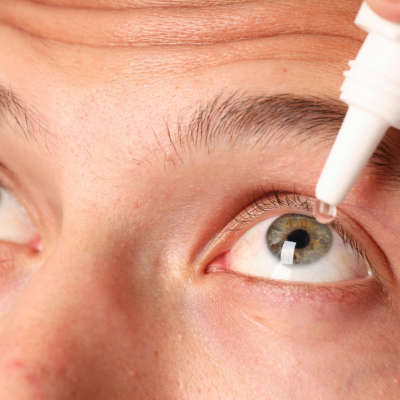
Use preservative-free eye drops. Over-the-counter eye drops for dry eyes come in many formulations. Preservative-free versions are best for frequent use and won't irritate your eyes further. Apply drops 30 minutes before bed.
Take regular screen breaks. Follow the 20-20-20 rule during the day: every 20 minutes, look at something 20 feet away for 20 seconds. This helps maintain adequate blinking and prevents cumulative dryness by evening.
Remove contact lenses properly. Take out contacts at least 2 hours before bed to give your eyes time to recover. Clean and store lenses according to your eye doctor's instructions.
Manage bedroom allergens. Wash bedding weekly in hot water, use allergen-proof pillow covers, and keep pets out of the bedroom if you have sensitivities.
Apply warm compresses. Before bed, place a warm, damp washcloth over closed eyelids for 5-10 minutes. This helps liquefy any blockages in your meibomian glands and improves oil flow into your tear film.
When to See an Eye Doctor
While home remedies and over-the-counter eye drops for dry eyes can provide relief for mild issues, certain symptoms indicate you need professional evaluation:
- Symptoms persist despite consistent use of artificial tears and environmental modifications
- You experience pain rather than just discomfort
- Your vision becomes blurry and doesn't clear with blinking
- You notice redness that doesn't resolve within a few hours of waking
- You have discharge or crusting on your eyelids
- Symptoms interfere with daily activities like reading, driving, or working
Chronic dry eye can lead to corneal damage if left untreated. An eye care professional can identify the underlying cause of your symptoms and recommend appropriate treatment based on whether you have reduced tear production, poor tear quality due to meibomian gland issues, or other contributing factors.
Advanced Dry Eye Treatment by Fuquay Eye Care
If you're tired of waking up with uncomfortable, irritated eyes or struggling with nighttime dryness that over-the-counter solutions can't resolve, professional dry eye treatment can provide lasting relief. At Fuquay Eye Care, we offer advanced diagnostic testing to identify the specific cause of your dry eye symptoms and create a personalized treatment plan.
Our Triphasic Restoration System addresses chronic dry eye at its source through three targeted steps performed during each of four office visits.
First, intense pulsed light therapy eliminates inflammatory blood vessels in the eyelids. Next, controlled heat application softens blockages in the meibomian glands, and the liquefied buildup is gently flushed away. Finally, low-level light therapy stimulates cell renewal, helping your glands produce the nourishing oils your tear film needs for lasting hydration.
Discounts?
Yes please!
Get more info about our VisionVantage program for discounted rates on services and eye wear.
Contact Us
We will get back to you as soon as possible.
Please try again later.
SHARE THIS