
Can Allergies Cause Dry Eyes?


By Dr. Teresa Pham May 27, 2025

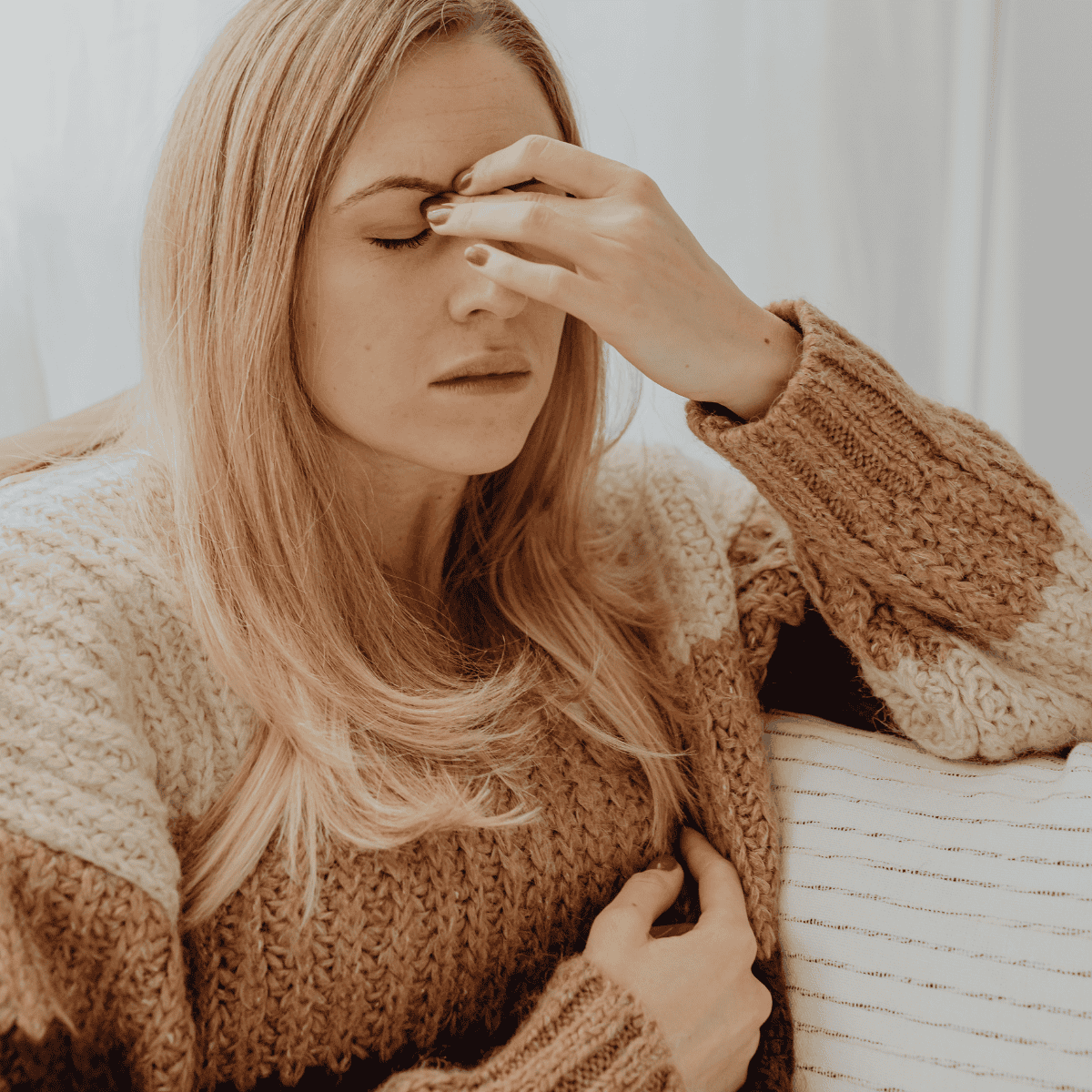
Itchy, watery eyes are a telltale sign of allergy season, but if your symptoms linger or include stinging and feelings of dryness, allergies might not be the only culprit. While the overlap between dry eyes and allergies can be confusing, understanding the difference is key to finding lasting relief.


Allergies can contribute to dry eye symptoms, but dry eye disease is a distinct condition that often requires different treatment.


Recognizing where your symptoms come from can help you manage both more effectively, and protect your long-term eye comfort.

What Are Allergies?

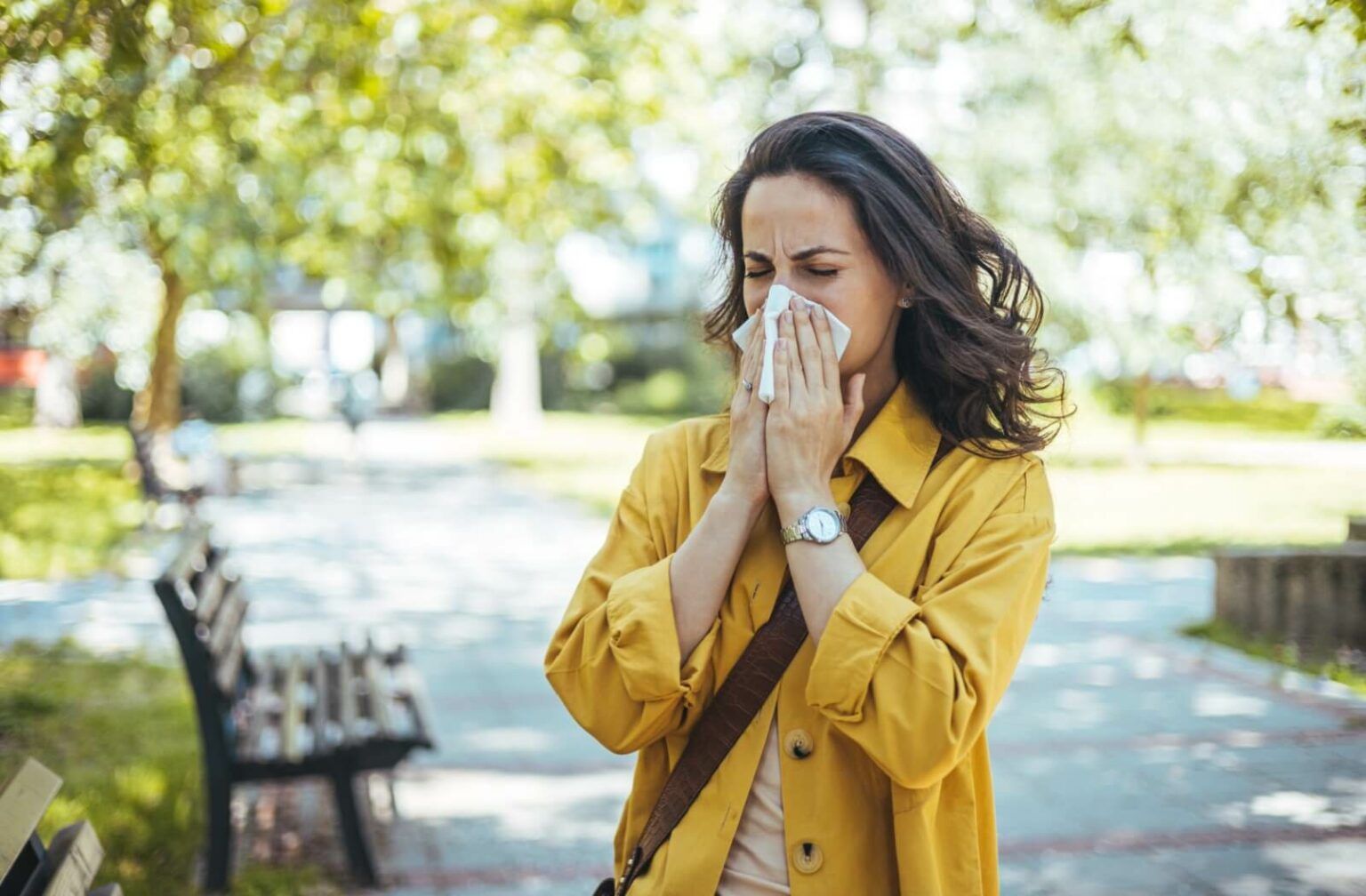
Allergies are your immune system’s overreaction to typically harmless substances, such as pollen, dust, pet dander, or certain foods. When exposed to allergens, people with allergies can experience a range of symptoms like sneezing, nasal congestion, and itchy, watery eyes.


The inflammation caused by an allergic reaction can interfere with your eye’s ability to stay hydrated. This is often referred to as allergic conjunctivitis, a condition that causes redness, itching, and excessive tearing.


However, it’s important to note that not all watery eyes are healthy eyes. Allergies can actually lead to dryness by affecting the quality and stability of your tears.

What is Dry Eye Syndrome?

Dry eye syndrome occurs when your eyes either don’t produce enough tears or make poor-quality tears that evaporate too quickly. Common symptoms include:


  • Irritation or a gritty sensation in the eyes
  • Blurry vision
  • Light sensitivity
  • Redness or burning
  • Feeling like something is stuck in your eye


There are two main types of dry eye syndrome:


  1. Aqueous deficient dry eye: When your tear glands don’t produce enough tears to lubricate your eyes properly.
  2. Evaporative dry eye: When the tears you produce lack the oil needed to form a stable, long-lasting tear film.


While dry eye syndrome is often linked to age, screen time, or underlying medical conditions, allergies can also play a significant role in triggering or worsening symptoms.


The Connection Between Allergies and Dry Eyes

If you’ve experienced itchy, watery eyes during allergy season, you might be wondering how they lead to dryness. Here’s how allergies and dry eyes are connected:

Inflammation From Allergies Affects Tear Production

When your immune system reacts to allergens, it triggers inflammation in your eyes. This can affect your tear glands, reducing the amount or quality of tears your eyes produce.

Allergy Medications May Worsen Dryness

Antihistamines are a common allergy medication designed to reduce your body’s reaction to allergens. However, they can also have a drying effect on your eyes and mucous membranes, exacerbating symptoms of dry eye.

Similar Symptoms Cause Overlap

Both allergies and dry eyes can lead to redness, itchiness, and a gritty sensation. It can often be hard to tell whether your discomfort is caused by one or the other or a combination of both.


While allergies and dry eye syndrome share similar symptoms, a few distinguishing features can help identify the root cause. Allergies tend to occur seasonally or with exposure to specific triggers, whereas dry eye is often persistent and linked to environmental factors or aging. Understanding these differences can help guide appropriate treatment. Here are some of the key difference


  • Itchiness: More intense and frequent with allergies.
  • Discharge: Allergies often produce watery discharge; dry eyes may cause stringy mucus.
  • Triggers: Allergies are triggered by pollen, dust, or pet dander; dry eyes are worsened by wind, screens, or low humidity.
  • Duration: Allergies may be seasonal or sudden; dry eyes are typically chronic and worsen over time.
  • Other symptoms: Allergies often include sneezing and nasal congestion, which are not present with dry eyes.


Getting the Right Diagnosis

Because allergies and dry eyes share symptoms, it’s important to get a proper diagnosis from an eye care professional. Here’s what you can expect during your visit:


  • Medical history review: Your eye doctor will ask about your general health, medications, and allergy history.
  • Tear quality and quantity tests: These tests measure whether your eyes are producing the right amount and quality of tears.
  • Physical eye exam: The doctor will examine your eyes for signs of irritation, inflammation, or other abnormalities.


A thorough evaluation can determine whether your symptoms are related to allergies, dry eyes, or both.

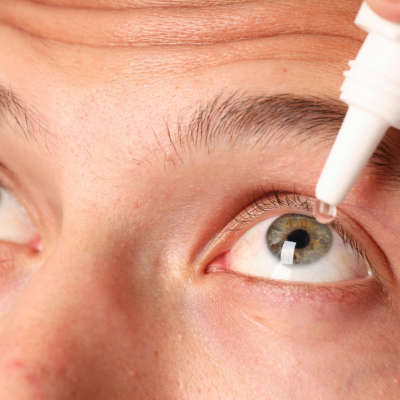
Doctor in gloved hands placing drops in a man's eyes representing dry eye treatment

Treatments for Allergies and Dry Eyes

The good news? There are plenty of ways to manage symptoms and improve your comfort, whether your eyes are reacting to seasonal allergies or struggling with ongoing dryness. Treatments may involve the following:

Lifestyle Adjustments

  • Use a humidifier: Add moisture to the air in your home to reduce eye dryness.
  • Limit allergen exposure: Keep windows closed during high-pollen days and clean your home regularly.
  • Take screen breaks: Reduce digital eye strain by following the 20-20-20 rule (look at something 20 feet away for 20 seconds every 20 minutes).
  • Wear protective eyewear: Wrap-around glasses can block out pollen and other irritants from entering your eyes.

Over-the-Counter Remedies

  • Artificial tears: Preservative-free artificial tears can restore moisture to dry eyes.
  • Antihistamine eye drops: These drops are designed to combat allergic reactions and provide relief from redness and itching.

Advanced Medical Intervention

For more severe cases of dry eyes or persistent symptoms, your eye doctor may recommend:


  • Prescription eye drops: These can address inflammation and improve tear production.
  • Punctal plugs: Small devices inserted into your tear ducts to retain moisture.
  • Light therapy: Intense Pulsed Light (IPL) therapy can reduce inflammation and improve tear gland function.

Preventative Measures for Allergy-Related Dry Eyes

Preventing symptoms before they occur is always better than managing discomfort after the fact. Here are some preventive steps you can take:


  • Identify and avoid allergens that trigger your symptoms.
  • Maintain clean, dust-free indoor spaces.
  • Wash your hands frequently to prevent transferring allergens to your eyes.
  • Keep your eyewear clean and free of pollen or debris.
  • Wear a hat and sunglasses when outdoors to shield your eyes from irritants.

Take Next Steps Toward Relief

If you’ve been battling dry, itchy eyes and suspect allergies might be the culprit, it’s time to take action. Understanding the link between allergies and dry eyes is the first step—but personalized care can make all the difference.


At Fuquay Eye Care, we’re here to help. Our team of experienced optometrists in Fuquay Varina, Dry Eye Center, can evaluate your symptoms, identify the root cause, and recommend treatments tailored to your needs. 


Don’t keep battling discomfort alone; schedule an appointment today and start your journey to clearer, more comfortable vision.


Find the

perfect glasses

Browse our selection of

Fuquay Eye and Designer Frames


Discounts?

Yes please!

Get more info about our VisionVantage program for discounted rates on services and eye wear.

Contact Us

SHARE THIS

Latest Posts

Contacts, glasses, and eye chart screen representing what vision insurance providers currently provide and visionvantage
By Dr. Theresa Pham December 11, 2025
What Are the Most Common Vision Insurance Providers? 
image of a woman with droopy eyelid representing how to fix droopy eyelids without surgery
By Dr. Teresa Pham October 28, 2025
We explore treatments for droopy eyelids without surgery, such as medicated eye drops, lifestyle adjustments, targeted exercises, and triLift therapy.
Doctor in blue scrubs and a man in a gray suit, representing the concept of How long does an eye exam take.
By Dr. Teresa Pham September 23, 2025
How long does an eye exam take? Most eye exams take between 30 minutes and an hour, depending on several factors explained in this blog.
woman holding contact and glasses representing Are Contacts Lenses the Same as Prescription   Glasses
By Dr. Teresa Pham August 11, 2025
Are contact lenses the same prescription as glasses? We explore the reasons why prescriptions for glasses and contacts aren't as simple as they look.
Image of a child looking closely at a phone screen in the dark represetning what causes myopia to worsen
By Dr. Teresa Pham July 3, 2025
What Causes Myopia to Worsen? We explore a range of factors myopia progression, including genetics, age, screen time, and a lack of outdoor activity.
Woman having IPL procedure on her face
By Dr. Teresa Pham June 30, 2025
We explore how IPL helps wrinkles on the face by stimulating collagen production and improving overall skin texture, reducing fine lines and wrinkles.