My Child Hates Reading: Could It Be More Than Just Schoolwork?


By Dr. Daniel O'Dowd May 1, 2026

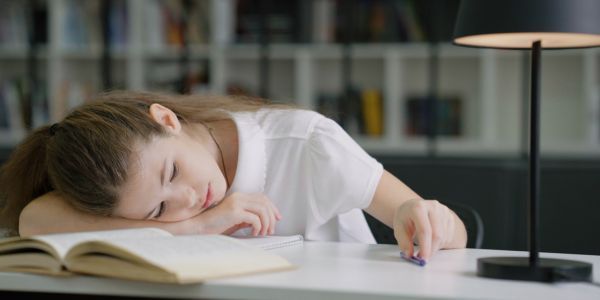
You have tried everything. New books, more reading time, rewards for finishing a chapter. But your child still groans, fidgets, or shuts down every time reading is on the agenda. 

Before assuming it is a motivation problem or a learning difference, there is one possibility that is easy to overlook and even easier to rule out: their vision.


Undetected vision problems are among the most common and underrecognized reasons children avoid reading, fall behind in school, or appear to struggle with focus and attention. 

Because children rarely know what "normal" vision looks like, they do not complain about what they cannot see clearly. They simply avoid the activity that causes discomfort.


In this blog, we explore the connection between children's eye health and reading difficulties, the signs that may indicate a vision problem, and why a comprehensive pediatric eye exam could be the most important appointment you schedule this school year.


How Vision Problems Affect Reading and Learning

Reading is one of the most visually demanding tasks a child performs. It requires the ability to focus on small print, track text smoothly across a line, shift gaze between distances (such as a book and the board), and sustain clear, comfortable focus for extended periods. When the eyes are not functioning correctly, or not working well together, all of that becomes uncomfortable and exhausting fast.


What looks like resistance or inattention is often a child doing the only logical thing: avoiding the activity that hurts. 


Eye strain, headaches, blurred words, and double vision are not easy for a young child to articulate. They are much more likely to act out, shut down, or "just not like reading" than to tell you their eyes feel tired after two paragraphs.


Common vision conditions that affect reading and learning include myopia (nearsightedness), astigmatism, convergence insufficiency, and amblyopia. Each of these can be present in a child who appears to have perfectly normal eyesight to everyone around them, including themselves.


What Is Myopia and Why Does It Matter for School-Age Children?

Myopia, or nearsightedness, occurs when the eye grows too long, causing light to focus in front of the retina rather than directly on it. The result is clear vision up close but blurry or strained distance vision. 


For a child in a classroom, this can mean struggling to read text on the board, losing their place while copying notes, or simply having no idea what the teacher is pointing at.

According to the American Academy of Ophthalmology, myopia rates in children have been increasing, with screen time and reduced outdoor activity cited as contributing factors.


Myopia often develops or progresses during the school years, precisely when children face the most demand on their distance and near vision simultaneously.


Left uncorrected, myopia does not just affect how a child sees. It affects how they feel about learning. A child who cannot clearly see the board may appear disengaged. A child squinting to read for 30 minutes may refuse to read at all. 


If your child has been diagnosed with or is showing signs of myopia, Fuquay Eye Care also offers myopia control options to help slow its progression.


Other conditions, such as convergence insufficiency (difficulty keeping the eyes aligned while reading close up), can be just as disruptive and are even more commonly missed. A child with convergence insufficiency may have 20/20 visual acuity on a standard chart but still experience double vision, eye strain, and headaches during every reading session.


Signs of Vision Problems in Children: What to Watch For

Because children rarely self-report vision difficulties, parents and teachers are usually the first to notice the behavioral and physical signs. Many of these overlap with symptoms commonly associated with ADHD or learning differences, which is why ruling out a vision problem first is such an important step.


Common signs of vision problems in children include:


  • Avoiding reading, books, or any close-up task
  • Frequent eye rubbing or excessive blinking during reading
  • Complaining of headaches, especially after schoolwork or screen time
  • Losing their place on the page or skipping lines while reading
  • Holding books or devices very close to their face
  • Squinting, tilting their head, or covering one eye to see better
  • Complaining of blurred or double vision
  • Short attention span specifically during visual tasks
  • Complaints of tired or sore eyes after reading or schoolwork
  • Declining interest in activities that require sustained near vision


It is worth noting that none of these signs require a dramatic event to be significant. A child who squints occasionally, rubs their eyes after reading, or simply says "my eyes are tired" more than a few times a week deserves a closer look.


School Vision Screenings vs. Comprehensive Eye Exams: What Is the Difference?

Many parents assume that a passed vision screening at school means their child's eyes are healthy. This is one of the most common misconceptions we encounter. School screenings are limited by design. They typically test basic visual acuity at distance using a standard eye chart and are not equipped to detect conditions like convergence insufficiency, astigmatism, early-stage myopia, or amblyopia.


A comprehensive pediatric eye exam goes significantly further. It evaluates how each eye focuses, how the eyes work together as a team, depth perception, color vision, and the overall health of the eye structures. It is the only way to get a complete picture of your child's visual health.


The American Optometric Association recommends that children have a comprehensive eye exam before starting school and annually thereafter. Pediatric vision screening guidelines support regular exams throughout childhood, not just when a problem is obvious. Early detection is the single most important factor in effective treatment.


When Should You Schedule a Pediatric Eye Exam?

You do not need to wait for a failed screening or a direct complaint about vision. 

Consider scheduling a comprehensive pediatric eye exam if:


  • Your child avoids or resists reading without a clear explanation
  • Teachers have raised concerns about attention, focus, or learning pace
  • Your child complains of headaches, eye strain, or blurred vision
  • You notice squinting, eye rubbing, or head tilting
  • Your child has not had a comprehensive eye exam in the past year
  • There is a family history of myopia, amblyopia, or other vision conditions
  • Your child seems bright but is underperforming academically


Many vision conditions are highly treatable, particularly when identified early while the visual system is still developing. The sooner a problem is found, the more options there are and the less impact it has on learning and confidence.


Schedule a Children's Eye Exam at Fuquay Eye Care

At Fuquay Eye Care, our doctors provide comprehensive eye exams for children of all ages in a comfortable, welcoming environment. We take the time to evaluate your child's full visual health, not just how far down the chart they can read.


If your child has been struggling with reading, showing signs of eye strain, or simply has not had an eye exam in a while, we are here to help. Learn more about our children's eye exams in Fuquay-Varina or give us a call at 919.557.0308 to schedule an appointment. Because when it comes to your child's learning, the clearest path forward starts with clear vision.


Find the

perfect glasses

Browse our selection of

Fuquay Eye and Designer Frames


Discounts?

Yes please!

Get more info about our VisionVantage program for discounted rates on services and eye wear.

Contact Us

SHARE THIS

Latest Posts

Woman rubbing eyes representing MGD or Meibomian Gland Dysfunction
By Dr. Daniel O'Dowd April 6, 2026
We explore what MGD is, what causes meibomian gland blockage, which symptoms to watch for, and what treatment options are available at home and in the office.
What are the best eye drops for dry eyes? Image of a man using eye drops
By Dr. Daniel O'Dowd March 8, 2026
Get an eye doctor's advice for 3 types of eye drops that can worsen dry eyes, what works for temporary relief, and when it's time to see a doctor.

A woman looking up with eyes closed, representing dry eyes worse in the morning or at night
By Dr. Daniel O'Dowd February 11, 2026
Ever wondered why dry eyes seem worse in the morning or at night? We explore the reasons why and what you can do about it at home or with a dry eye doctor.
A woman is rubbing her eyes at computer screen. Why do eyes feel tired after a full night's sleep?
By Dr. Daniel O'Dowd February 9, 2026
We discuss why a good night sleep doesn't always fix tired eyes, what's causing your eyes to feel exhausted, and what you can do to get real relief.
 Woman closes and touches her eyes, asking
By Dr. Teresa Pham January 13, 2026
Experiencing new eye floaters or flashes? Understand possible causes and when to schedule an exam with our Fuquay-Varina eye care team.
Contacts, glasses, and eye chart screen representing what vision insurance providers currently provide and visionvantage
By Dr. Teresa Pham December 11, 2025
What Are the Most Common Vision Insurance Providers? 
image of a woman with droopy eyelid representing how to fix droopy eyelids without surgery
By Dr. Teresa Pham October 28, 2025
We explore treatments for droopy eyelids without surgery, such as medicated eye drops, lifestyle adjustments, targeted exercises, and triLift therapy.
Doctor in blue scrubs and a man in a gray suit, representing the concept of How long does an eye exam take.
By Dr. Teresa Pham September 23, 2025
How long does an eye exam take? Most eye exams take between 30 minutes and an hour, depending on several factors explained in this blog.
woman holding contact and glasses representing Are Contacts Lenses the Same as Prescription   Glasses
By Dr. Teresa Pham August 11, 2025
Are contact lenses the same prescription as glasses? We explore the reasons why prescriptions for glasses and contacts aren't as simple as they look.
Image of a child looking closely at a phone screen in the dark represetning what causes myopia to worsen
By Dr. Teresa Pham July 3, 2025
What Causes Myopia to Worsen? We explore a range of factors myopia progression, including genetics, age, screen time, and a lack of outdoor activity.
Show More