
What Causes Myopia to Worsen?


By Dr. Teresa Pham July 3, 2025

Nearsightedness often begins in childhood and can gradually worsen over time, leaving many parents and adults wondering what drives the changes that it causes. While glasses or contacts may correct vision, they don’t stop myopia from progressing. 


In fact, myopia tends to worsen over time due to a combination of genetics, age, screen time, and a lack of outdoor activity. Recognizing these risk factors early can help you take meaningful steps to protect your vision and slow further progression.

Exploring Myopia Progression

Myopia occurs when the eye grows too long from front to back or when the cornea is overly curved. This prevents light from focusing directly on the retina (a structure at the back of the eye that converts light into signals for the brain), resulting in blurry vision for distant objects. Several factors influence how quickly or severely myopia can progress.

How Genetics Impact Myopia

Myopia can run in families, meaning that genetics often play a role in its development. If both parents are nearsighted, their child has a higher risk of developing myopia. However, genetics aren’t the sole factor. Environmental and lifestyle habits equally impact the onset and progression of this condition.


While we can’t change our genetic predisposition, understanding the risks involved promotes early monitoring and proactive care, especially for children. Regular eye exams are helpful for monitoring changes in vision and addressing potential issues early.

The Role of Age in Progression

Age is a predominant factor in myopia development. Typically, myopia begins during childhood, while the eyes are still growing. It often continues to worsen through the teenage years before stabilizing in adulthood. This progression is largely due to elongation of the eyeball as a child grows.


Monitoring children’s vision is particularly important because early intervention can slow the progression of myopia.

Environmental Influences on Vision

Environmental factors are increasingly recognized as contributors to myopia progression. Modern lifestyles, heavily reliant on digital screens and indoor activities, have increased the risk of developing vision issues. Here are some common contributing factors:

Prolonged Screen Time

Extended use of smartphones, tablets, and computers has been linked to higher rates of myopia, especially among children and young adults. 

Lack of Outdoor Activity

Studies indicate that children who spend more time outdoors tend to have a lower risk of developing myopia.

Close-Up Work

Activities that require extended focus on objects up close, such as reading or crafting, can contribute to myopia. Without regular breaks, the strain on the eyes may lead to vision deterioration.

How to Manage & Prevent Myopia Progression for Your Child

While genetic predispositions and age can’t be controlled, there are several proactive steps you can take to help prevent or slow your child’s progression of myopia. Here are some tips:


  • Limit your child’s screen time: Adopt the 20-20-20 rule. After every 20 minutes of screen time, have your child look at something 20 feet away for at least 20 seconds.
  • Encourage outdoor activities: Aim to provide your child with at least one to two hours of outdoor play or activities daily when possible. Natural light has been shown to reduce the risk of myopia progression, making fresh air and sunshine invaluable for their eye health.
  • Optimize their workspace: Use proper lighting for reading or studying to help reduce unnecessary strain on your child’s eyes. Position them near a window for natural light. 
  • Have your child take regular breaks: Whether they’re studying, reading, or enjoying a hobby, remind them to rest their eyes periodically to prevent overexertion.
  • Increase their physical activity: Regular exercise not only supports overall health but can also benefit your child’s vision. Encourage a balanced lifestyle that includes movement and reduces sedentary behavior.
  • Schedule regular eye exams: Eye exams are helpful for early detection and intervention. They allow optometrists to monitor your child’s vision changes and recommend myopia control methods.
3 children running in a bright sunny field

Myopia Control Options

If you’re concerned about myopia progression, we offer several myopia control options.

Specialized Glasses or Contacts

Glasses designed for myopia control and multifocal contact lenses can reduce strain on the eyes while slowing progression.

Orthokeratology (Ortho-K)

These specialized contact lenses gently reshape the cornea overnight, allowing clear vision during the day while actively managing myopia.

Atropine Drops

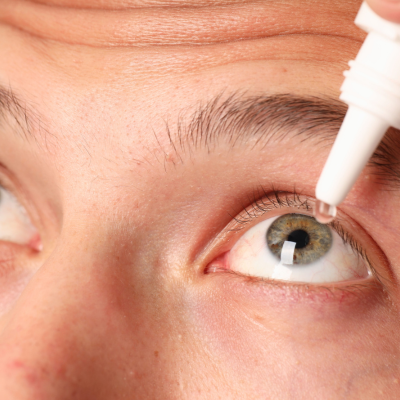
Prescription atropine eye drops can help slow myopia progression, particularly in children. 

MiSight®

MiSight lenses are soft, daily disposable contact lenses made specifically for children with myopia. FDA-approved, they not only correct blurry distance vision but also help slow down the progression of myopia over time.

Take Charge of Your Vision Health

With the right steps and support, the progression of myopia can be managed effectively. By adopting healthy habits, reducing screen time, and working closely with an eye care professional, you can protect your child’s vision for years to come.


At Fuquay Eye Care, we specialize in individualized myopia management plans to help you and your family see clearly and live comfortably. Reach out today to schedule an appointment or consult with our team about your concerns.

Find the

perfect glasses

Browse our selection of

Fuquay Eye and Designer Frames


Discounts?

Yes please!

Get more info about our VisionVantage program for discounted rates on services and eye wear.

Contact Us

SHARE THIS

Latest Posts

Contacts, glasses, and eye chart screen representing what vision insurance providers currently provide and visionvantage
By Dr. Theresa Pham December 11, 2025
What Are the Most Common Vision Insurance Providers? 
image of a woman with droopy eyelid representing how to fix droopy eyelids without surgery
By Dr. Teresa Pham October 28, 2025
We explore treatments for droopy eyelids without surgery, such as medicated eye drops, lifestyle adjustments, targeted exercises, and triLift therapy.
Doctor in blue scrubs and a man in a gray suit, representing the concept of How long does an eye exam take.
By Dr. Teresa Pham September 23, 2025
How long does an eye exam take? Most eye exams take between 30 minutes and an hour, depending on several factors explained in this blog.
woman holding contact and glasses representing Are Contacts Lenses the Same as Prescription   Glasses
By Dr. Teresa Pham August 11, 2025
Are contact lenses the same prescription as glasses? We explore the reasons why prescriptions for glasses and contacts aren't as simple as they look.
Woman having IPL procedure on her face
By Dr. Teresa Pham June 30, 2025
We explore how IPL helps wrinkles on the face by stimulating collagen production and improving overall skin texture, reducing fine lines and wrinkles.
Woman in yellow jacket blowing her nose outdoors, representing whether allergies cause dry eyes
By Dr. Teresa Pham May 27, 2025
Can allergies cause dry eyes? In this blog, we explore the relationship between allergies and dry eye syndrome.