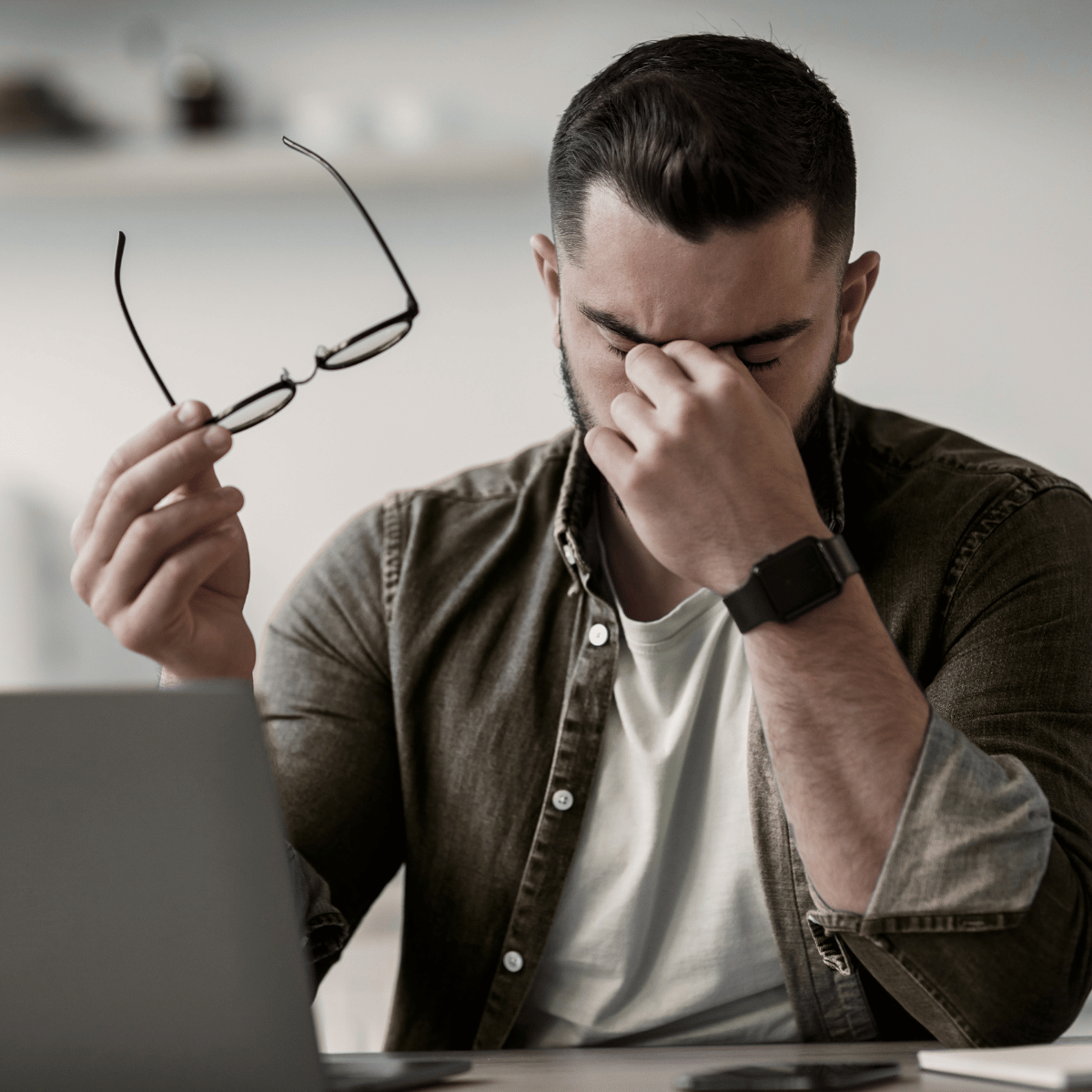
What Is MGD (Meibomian Gland Dysfunction): A Simple Guide


By Dr. Daniel O'Dowd April 6, 2026

If your eyes frequently feel dry, gritty, or irritated, you may have been told you have dry eye. But dry eyes are often a symptom of something more specific going on underneath the surface. For millions of people, the root cause is Meibomian Gland Dysfunction, or MGD.


Despite being the leading cause of dry eye disease (over 86% of all dry eye cases), MGD is widely underdiagnosed. Many people manage their symptoms with artificial tears for years without ever addressing what's actually causing them. 


In this blog, we explore what MGD is, what causes meibomian gland blockage, which symptoms to watch for, and what treatment options are available.


What Are the Meibomian Glands?

Your eyelids contain dozens of tiny, specialized oil glands called meibomian glands. With every blink, these glands release a thin oil called meibum onto the surface of the eye.


Your tears aren't just water. They're made up of three distinct layers:


  • An outer oily layer produced by the meibomian glands, which slows evaporation
  • A middle watery layer that provides hydration to the eye surface
  • An inner mucus layer that helps the tear film adhere to the eye


The oily outer layer is essential. Without it, the watery layer beneath evaporates too quickly between blinks, leaving the eye surface exposed and uncomfortable. This is why a problem with the
 meibomian glands can cause dry eye even when the eyes are producing a normal amount of tears.

What Is Meibomian Gland Dysfunction (MGD)?

Meibomian Gland Dysfunction occurs when the meibomian glands become blocked, begin producing oil of poor quality, or both. The most common form is called obstructive MGD, where the openings of the glands become clogged, and oil can no longer reach the eye's surface in sufficient quantity or quality.


When the meibomian glands are blocked, the oil inside can thicken and become waxy rather than flowing freely. Over time, if the blockage isn't treated, the glands themselves can begin to atrophy. Unlike some tissues in the body, meibomian glands do not regenerate well once lost, which is why early detection and treatment are so important.


According to the
Cleveland Clinic, MGD is estimated to affect approximately 35.8% of the global population. In the United States, research suggests that up to 70% of adults over age 60 have some degree of MGD. It is widely recognized as the most common underlying cause of dry eye disease.

What Causes Meibomian Gland Blockage?

Meibomian gland blockage is rarely caused by a single factor. It typically develops as a result of several contributing conditions working together over time. Understanding the most common causes can help you assess your own risk.


Age

As we get older, the meibomian glands naturally produce less oil and function less efficiently. Gland dropout, where glands stop functioning altogether, becomes more common with age. MGD is significantly more prevalent in adults over 40, and rates continue to climb with each decade of life.


Reduced Blinking From Screen Use

Blinking is the mechanism that expresses oil from the meibomian glands onto the eye surface. When we focus on screens, we blink much less frequently than we normally do. Over time, inadequate blinking causes oil to stagnate in the glands, contributing to thickening and eventual blockage. This is a growing concern as screen time increases across all age groups.


Contact Lens Wear

Long-term contact lens wear has been associated with a reduction in the number of functioning meibomian glands. Contact lens wearers with persistent dry eye symptoms are often found to have underlying MGD.


Hormonal Changes

Androgens play an important role in regulating meibomian gland function. As androgen levels decline with age, and particularly following menopause, both the quantity and quality of oil production can diminish. This is one reason MGD tends to be more prevalent in older women.

Underlying Health Conditions

Several systemic conditions are associated with higher rates of MGD, including:


  • Blepharitis (chronic eyelid inflammation)
  • Ocular rosacea
  • Rheumatoid arthritis (or other autoimmune disease)
  • Sjogren's syndrome
  • High cholesterol


Symptoms of Meibomian Gland Dysfunction

One of the reasons MGD goes undiagnosed for so long is that it often produces no noticeable symptoms in its early stages. By the time symptoms appear, the condition may have been progressing quietly for years. 


When symptoms do develop, they can include:


  • Dry, burning, or stinging eyes
  • A gritty sensation, as though something is in the eye
  • Redness or irritation along the eyelid margin
  • Watery eyes, which is often a reflex response to dryness and irritation
  • Blurred vision that temporarily clears when you blink
  • Crusty or sticky debris along the lash line, particularly in the morning
  • Swollen or tender eyelids
  • Difficulty wearing contact lenses comfortably
  • Recurring styes or chalazions (bumps on or inside the eyelid)


Symptoms commonly worsen with prolonged screen use, in dry indoor environments with air conditioning or heating, and in windy or low-humidity conditions.


Why MGD Shouldn't Be Left Untreated

MGD is a chronic and progressive condition. Without treatment, the glands can become increasingly obstructed and eventually stop producing oil altogether. 


This stage, called meibomian gland atrophy, represents a permanent change in gland structure that cannot be reversed.


The downstream consequences of untreated MGD extend beyond discomfort:


  • It is the leading driver of evaporative dry eye disease
  • It can cause or worsen blepharitis, a chronic inflammation of the eyelids
  • It increases the risk of infection and complications following eye surgery
  • In advanced cases, it can contribute to damage to the cornea


It's also worth noting
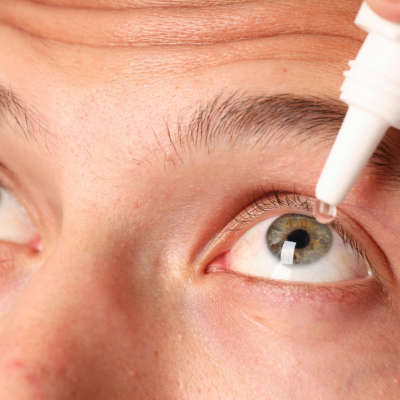
that artificial tears (eye drops), while helpful for symptom relief, do not address the underlying gland blockage. They replace the moisture that evaporates, but they don't restore the oily layer that was preventing evaporation in the first place. 

For lasting improvement, the glands themselves need to be treated.


How Is MGD Diagnosed?

Because MGD often doesn't produce obvious symptoms early on, diagnosis typically happens during a comprehensive eye exam. An eye care provider evaluating for MGD may:


  • Examine the eyelid margins and gland openings under magnification
  • Gently apply pressure to the eyelids to assess oil quality and how freely it expresses
  • Use meibography, an imaging technique that allows the doctor to view the meibomian gland structures directly and assess for gland loss
  • Measure tear film stability to evaluate how quickly tears evaporate


There is no single test that confirms MGD on its own. Diagnosis relies on the combination of clinical findings, patient history, and imaging, which is why a thorough evaluation is important rather than self-diagnosis based on symptoms alone.


How Is Meibomian Gland Dysfunction Treated?

Treatment for MGD is matched to the severity of the condition. The overarching goal is to restore healthy oil flow to the tear film and protect the glands from further damage. Treatment plans often combine at-home care with in-office procedures.

Warm Compresses and Lid Massage

For mild MGD, warm compresses applied to closed eyelids for eight to ten minutes can help soften the thickened oil inside the glands. Following that with gentle downward massage on the lower lids encourages the oil to express onto the eye surface. This is the most commonly recommended approach for people wondering how to unblock eye oil glands at home.


Consistency matters. Warm compresses tend to lose effectiveness quickly after the heat is removed, so daily practice is more beneficial than occasional use. While home care is a reasonable starting point for mild cases, it is generally not sufficient on its own for moderate or advanced MGD.

Lid Hygiene

Keeping the eyelid margins clean removes debris and reduces the bacterial load that can contribute to gland blockage and inflammation. Your eye doctor can recommend appropriate lid scrub products or techniques for your specific situation.


In-Office Treatment Options

For moderate to advanced MGD, in-office procedures are more effective at clearing established blockages and restoring gland function. These may include:


  • Thermal therapy (such as MiBo Thermoflo) -- applies controlled heat to warm the eyelids and liquefy thickened meibum, followed by gentle expression of the glands
  • Intense Pulsed Light (IPL) -- targets inflammation around the eyelid margin and has been shown in clinical research to improve meibomian gland function and reduce MGD symptoms
  • Low-Level Light Therapy (LLLT) -- uses specific wavelengths of light to reduce inflammation and support gland activity
  • Meibomian gland probing -- a procedure in which a fine probe is used to manually open blocked gland ducts and release trapped oil
  • Dynamic Muscle Stimulation (DMSt) -- uses electrical impulses to strengthen the blink muscles around the eyes to improve blink quality and mechanically force the natural expression of oil from the glands.


At Fuquay Eye Care, we offer in-office dry eye and MGD treatment as part of our Triphasic Restoration System, which combines MiBo Thermoflo, LLLT, and IPL to address MGD comprehensively. 


Our providers can image your meibomian glands and develop a treatment plan based on the actual health of your glands, not just your symptoms.


Medications

In some cases, prescription anti-inflammatory eye drops, topical or oral antibiotics, or other medications may be incorporated to reduce inflammation and support gland recovery. Your provider will determine whether medication is appropriate based on the severity of your condition and any underlying factors.

Frequently Asked Questions About MGD

How long does meibomian gland dysfunction last?

MGD is generally a chronic condition that requires ongoing management. It does not typically resolve on its own. With consistent treatment and home care, most people can significantly reduce symptoms and slow or prevent further gland loss. The earlier treatment begins, the better the long-term outlook.


Can meibomian gland dysfunction be cured?

In most cases, MGD is managed rather than cured. There is no single treatment that permanently eliminates it. However, when identified early, treatment can preserve gland function and prevent meaningful progression. For patients with more advanced gland loss, the focus shifts to supporting the function of remaining glands and preventing further deterioration.


Is meibomian gland blockage the same thing as dry eye?

They are closely connected but not the same. Meibomian gland blockage is the most common cause of a specific type of dry eye called evaporative dry eye, where tears evaporate too quickly due to insufficient oil in the tear film. Treating the blockage directly often leads to meaningful improvement in dry eye symptoms, in a way that lubricating drops alone cannot achieve.


Will artificial tears fix MGD?

Artificial tears can temporarily relieve the symptoms of dry eye, but they do not treat the underlying cause. They supplement the water layer of the tear film, but they don't address the missing or impaired oil layer that's allowing evaporation to occur in the first place. If artificial tears are your primary tool for managing dry eye, it may be worth having your meibomian glands evaluated.


Dry Eye Treatment in Fuquay Varina

MGD is one of the most common eye conditions, and one of the most undertreated. If you've been living with dry, uncomfortable eyes, the meibomian glands are often at the root of it.


The team at Fuquay Eye Care offers
comprehensive dry eye evaluations, including meibomian gland imaging, and advanced in-office treatment options for patients who are ready to address the cause rather than just manage the symptoms.


Schedule your appointment
at fuquayeyecare.com.

Find the

perfect glasses

Browse our selection of

Fuquay Eye and Designer Frames


Discounts?

Yes please!

Get more info about our VisionVantage program for discounted rates on services and eye wear.

Contact Us

SHARE THIS

Latest Posts

What are the best eye drops for dry eyes? Image of a man using eye drops
By Dr. Daniel O'Dowd March 8, 2026
Get an eye doctor's advice for 3 types of eye drops that can worsen dry eyes, what works for temporary relief, and when it's time to see a doctor.

A woman looking up with eyes closed, representing dry eyes worse in the morning or at night
By Dr. Daniel O'Dowd February 11, 2026
Ever wondered why dry eyes seem worse in the morning or at night? We explore the reasons why and what you can do about it at home or with a dry eye doctor.

A woman is rubbing her eyes at computer screen. Why do eyes feel tired after a full night's sleep?
By Dr. Daniel O'Dowd February 9, 2026
We discuss why a good night sleep doesn't always fix tired eyes, what's causing your eyes to feel exhausted, and what you can do to get real relief.
 Woman closes and touches her eyes, asking
By Dr. Teresa Pham January 13, 2026
Experiencing new eye floaters or flashes? Understand possible causes and when to schedule an exam with our Fuquay-Varina eye care team.
Contacts, glasses, and eye chart screen representing what vision insurance providers currently provide and visionvantage
By Dr. Teresa Pham December 11, 2025
What Are the Most Common Vision Insurance Providers? 
image of a woman with droopy eyelid representing how to fix droopy eyelids without surgery
By Dr. Teresa Pham October 28, 2025
We explore treatments for droopy eyelids without surgery, such as medicated eye drops, lifestyle adjustments, targeted exercises, and triLift therapy.
Doctor in blue scrubs and a man in a gray suit, representing the concept of How long does an eye exam take.
By Dr. Teresa Pham September 23, 2025
How long does an eye exam take? Most eye exams take between 30 minutes and an hour, depending on several factors explained in this blog.
woman holding contact and glasses representing Are Contacts Lenses the Same as Prescription   Glasses
By Dr. Teresa Pham August 11, 2025
Are contact lenses the same prescription as glasses? We explore the reasons why prescriptions for glasses and contacts aren't as simple as they look.
Image of a child looking closely at a phone screen in the dark represetning what causes myopia to worsen
By Dr. Teresa Pham July 3, 2025
What Causes Myopia to Worsen? We explore a range of factors myopia progression, including genetics, age, screen time, and a lack of outdoor activity.
Woman having IPL procedure on her face
By Dr. Teresa Pham June 30, 2025
We explore how IPL helps wrinkles on the face by stimulating collagen production and improving overall skin texture, reducing fine lines and wrinkles.
Show More